
Go Light, Go Far: Confident Micro‑Adventures Across Canada
Today we dive into navigation, safety, and minimal gear planning for DIY micro‑adventures in Canada, sharing practical tactics, anecdotal lessons, and confidence‑building checklists designed for short, memorable escapes that fit after work or weekend windows without sacrificing judgment, curiosity, or joy.
Map Grids, Contours, and Canada’s Magnetic Twists
Use 1:50,000 for big picture and 1:25,000 for detail when available, then look for index contours, saddle hints, and spur fingers guiding decisions. In much of Canada, declination is significant; preset your compass and app so bearings align with reality.
Simple Bearings, Big Confidence
Practice simple line, box, and handrail techniques that turn complex woods into understandable corridors. Pace count along quiet paths, confirm with backstops, and draw quick sketches in a notebook; repetition forges intuition before fog, darkness, or surprise trail braids test your choices.
Tell Someone Before You Tell the Trail
Share start and return times, trailhead, vehicle plate, companions, and contingency plans using AdventureSmart’s trip plan concepts. Text updates when you change objectives. If overdue, your contact knows who to call and when, shrinking search areas and protecting rescuers from unnecessary risk.
Chase Sunset, Not Trouble
Weather shifts quickly between ocean, mountains, prairie, and shield. Read forecast discussions, watch freezing levels, wind, and convective potential. Build a time‑control plan with checkpoints; if two slip, pivot early. Sunset photographs feel sweeter when your headlamp is unnecessary but ready.
Share the Path with Bears, Moose, and Wisdom
Carry bear spray where legal and practice releasing the safety. Make noise in dense brush, store snacks sealed, and give moose absurd space. Learn to read tracks and scat, and remember: respectful distance protects animals, your adventure, and everyone hiking after you.
Safety That Moves as Light as You Do
Going light demands disciplined safety habits: plan your route, leave details with a trusted contact, and set conservative turn‑around times. Check Environment Canada alerts, understand daylight windows, rehearse bear encounters, and decide in advance what discomfort signals a graceful exit rather than stubbornness.
Pack Less, Prepare More: The Micro‑Adventure Kit
Minimalist kits are about intention, not deprivation. Start with a small daypack and the scaled Ten Essentials: navigation tools, headlamp, insulation, sun protection, first aid, fire, repair, food, water treatment, and shelter. Choose multi‑use items and let systems, not single gadgets, carry the weight.

Layers That Laugh at Canadian Weather
Think breathable base, warming mid, and wind‑stopping shell. In Canada, shoulder seasons bite; a beanie and light gloves weigh grams yet transform morale. Avoid cotton, pack dry socks, and stash an emergency bivy so a missed bus becomes an inconvenient learning story.
Small Sips and Smart Calories
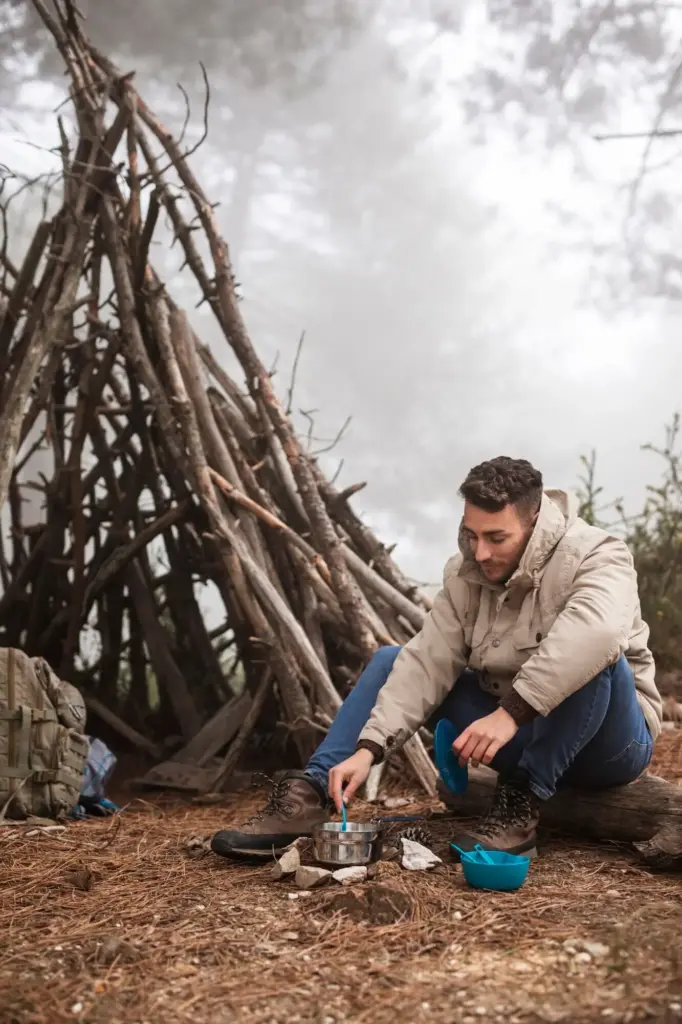
Carry a one‑liter bottle, compact filter, and backup tablets. Sip steadily rather than chug at the summit. Choose calorie‑dense snacks that still taste great when cold: nut butters, chewy bars, sharp cheese. A small pot and stove turn morale around on sleety days.

Tiny Tools with Outsized Impact
A mini repair kit with tape, zip ties, cord, and a tiny multi‑tool fixes busted buckles and flapping soles. Add a few blister pads, safety pins, and a whistle. When something breaks, solve it creatively, continue safely, and post your clever fix later.
Coast, Prairie, Shield, and Peaks: Local Smarts
{{SECTION_SUBTITLE}}

Rainforests, Tides, and Slippery Roots
On the Pacific edge, slippery boardwalks and big trees hide slick roots. Carry microspikes in shoulder seasons, watch ferry schedules, and learn to read tide rips. Persistent rain magnifies risk, so vent layers proactively and keep navigation tools protected and accessible.
Granite, Lakes, and Portage Clarity
Between granite knobs and quiet lakes, distances deceive and portage trails vanish into blueberries. Mark bearings across narrows, secure footwear for slick lichen, and guard against blackflies. When thunderheads build, retreat from exposed rock and beaches, counting seconds between flash and rumble carefully.
Stop, Think, Observe, Plan, Then Move
When uncertainty spikes, stop before it balloons. Breathe, eat, layer up, then think through options against real map features. Observe wind, slope, and landmarks; plan a conservative move, then execute deliberately. Small pauses restore clarity far faster than adrenaline‑fueled wandering into compounding mistakes.
Breadcrumbs You Can Trust Without Batteries
Use deliberate breadcrumbs: note distinctive trees, cairns you did not build, stream junctions, and the way the light falls at intersections. Create mental snapshots and occasional pencil marks on maps. Confident backtracking is an underappreciated superpower for staying small and safe.
From 911 to inReach, Speak Clearly and Calmly
Cell coverage is inconsistent. If you carry an inReach or SPOT, pre‑write quick messages. Call 911 when appropriate and provide coordinates in UTM or lat‑long, recent landmarks, group condition, and remaining supplies. Calm clarity speeds response and keeps rescuers safer, too.
Tiny Trips, Lasting Respect
Pack out every crumb, step on durable surfaces, and keep camps tiny or skip them on quick missions. Respect seasonal closures and sensitive habitats. The lightest kit includes restraint; the best souvenir is a memory that leaves nothing broken behind.
Swap GPX Files, Not Tall Tales
Swap GPX tracks, annotated maps, and practical checklists with friends and newcomers. Ask for local insight about gates, wind funnels, and snow bridges. Post a comment with your favorite micro‑adventure loop and the one habit that changed your safety confidence the most.
Say Hello, Learn Local Wisdom, Give Back
Say hello at trailheads, thank volunteers, and support Indigenous‑led stewardship where possible. Subscribe for future route ideas, seasonal checklists, and skills drills. Community turns tiny outings into a reliable practice that strengthens judgment, broadens empathy, and keeps wilderness experiences inclusive and welcoming.